
Top 10 Leading Solar Battery Manufacturers in China
By:Admin
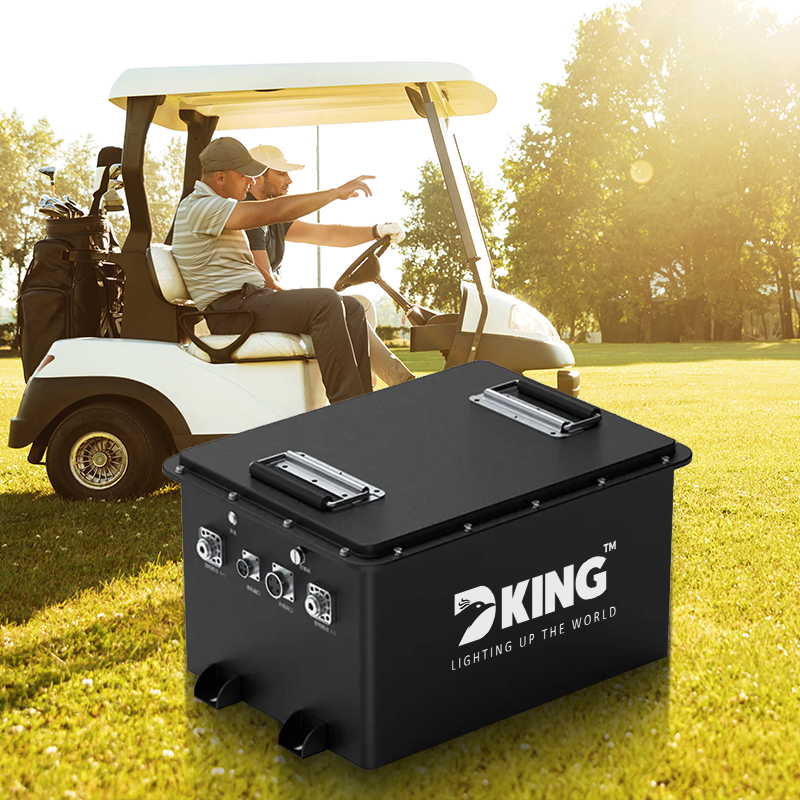
As the global demand for clean and sustainable energy continues to surge, China has solidified its position as a pivotal player in the solar battery manufacturing sector. Leveraging advanced technologies, significant investment, and an expansive industrial base, Chinese companies have become instrumental in powering the world’s transition to renewable energy. This article delves into the current landscape of solar battery manufacturing in China, spotlighting the nation’s leading enterprises driving innovation and production capabilities without focusing on individual brand names.
### The Context of China’s Solar Battery Industry
China’s solar battery industry has experienced exponential growth over the past decade, reflecting the government’s strategic commitment to renewable energy development. With aggressive policy support, including subsidies, tax incentives, and research funding, many domestic manufacturers have scaled rapidly to meet both internal and international demands.
The critical technological advancements in lithium-ion batteries, energy density improvements, and cost reductions have dramatically enhanced the competitiveness of China’s solar battery products. These advancements have enabled Chinese manufacturers to supply a wide range of applications, from residential solar energy systems to large-scale grid storage solutions.
### Manufacturing Excellence and Capacity
Chinese solar battery manufacturers are distinguished by their substantial production capacities which allow for economies of scale, driving costs down while maintaining quality standards. State-of-the-art manufacturing facilities equipped with automated assembly lines and rigorous quality control protocols ensure products meet international certifications and performance benchmarks.
In addition to mass production, these companies emphasize research and development (R&D), actively exploring next-generation battery chemistries such as solid-state batteries and enhanced lithium polymer variants. R&D centers work in close collaboration with academic institutions and governmental labs to push the envelope in battery efficiency, lifespan, and safety.
### Integration with the Solar Energy Ecosystem
Leading Chinese manufacturers maintain a vertically integrated approach, encompassing not only battery cell production but also battery pack assembly, energy management systems, and innovative battery recycling techniques. This holistic view enables manufacturers to optimize system performance, reduce carbon footprints, and offer turnkey solutions to customers worldwide.
Vertical integration also facilitates rapid response to market trends and customization demands. For instance, manufacturers can readily adapt their battery products to varying climate conditions, usage scenarios, and compatibility requirements with different solar panel technologies.
### Commitment to Sustainability
As environmental concerns gain global prominence, Chinese solar battery manufacturers prioritize sustainability throughout their value chains. This includes sourcing raw materials responsibly, minimizing hazardous waste during production, and developing batteries with recyclable or reusable components. Many companies have implemented closed-loop recycling programs aimed at reclaiming valuable metals and mitigating environmental impact.
Furthermore, solar battery producers actively support clean energy adoption by engaging in community solar projects and collaborating with international organizations focused on climate change mitigation.
### Global Market Reach and Partnerships
China’s solar battery manufacturers have cultivated robust international networks, exporting products to Europe, North America, Southeast Asia, and Africa. They actively participate in global trade exhibitions and industry consortiums, establishing partnerships with solar panel manufacturers, system integrators, and energy utilities.
Strategic alliances with overseas firms enable technology exchange, expanded sales channels, and joint ventures for localized production. This globalization strategy aligns with China’s broader Belt and Road Initiative, promoting infrastructure development and green energy integration across multiple continents.
### Challenges and Future Prospects
Despite impressive achievements, Chinese solar battery manufacturers face ongoing challenges. These include fluctuating raw material prices, intensified international competition, and geopolitical trade restrictions. In response, companies are investing in diversified supply chains, localizing critical material procurement, and pursuing technological breakthroughs to maintain competitive advantages.
Looking ahead, the industry is poised for continued growth driven by government policies advocating carbon neutrality goals, increased adoption of electric vehicles, and expanding energy storage markets. Innovations such as solid-state batteries, enhanced fast-charging capabilities, and improved thermal management systems are expected to redefine industry standards.
### Conclusion
China’s solar battery manufacturing sector epitomizes the country’s rapid evolution as a clean energy powerhouse. Through a blend of strong policy support, manufacturing scale, technological innovation, and global outreach, Chinese companies have emerged as influential contributors to the worldwide renewable energy transformation. As the demand for efficient and sustainable energy storage solutions escalates, these manufacturers are well-positioned to sustain their leadership roles, shaping the future of solar energy both domestically and internationally.